Intelligence Squared US

Wednesday, October 12, 2011

TOO MANY KIDS GO TO COLLEGE:
OUR FIRST DEBATE IN CHICAGO

About This Debate

A part of the Chicago Ideas Week, this debate is the first Intelligence Squared U.S. debate to be held live in Chicago.

The herd mentality that assumes college is the only path to reaching one’s full potential is under fire.  Student loan debt has surpassed credit card debt, unemployment for those with bachelor’s degrees is at an all-time high, and entrepreneurs like the founders of Facebook and Microsoft prove that extraordinary success is possible without it.  But recent studies show that college is economically beneficial even to those whose jobs don’t require it.  Is it still the best way to ensure social mobility, or is America’s love affair with higher education unjustified?

The Panel

For The Motion

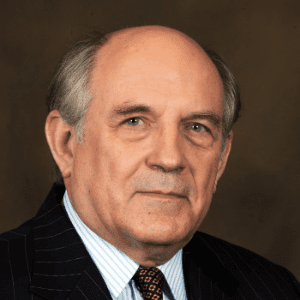
  • Peter Thiel
    Peter Thiel
    FOR THE MOTION
    Peter Thiel
    PayPal Co-founder, Tech Entrepreneur, Investor & Philanthropist


    Known as the mentor to the PayPal mafia of entrepreneurs, Peter Thiel is a leading advocate of young people exploring alternatives to a college education. This year he launched the 20 Under 20 Thiel Fellowship, a two-year mentoring program that provides $100,000 in grants towards building the fellows’ businesses in biotech, technology, finance, education and more. In 2004, Thiel made the first outside investment in Facebook and now serves as a board member. Thiel currently serves as President of Clarium Capital Management LLC and Managing Partner of The Founders Fund, a Silicon Valley venture capital fund.

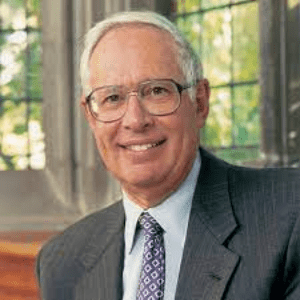
  • Charles Murray
    Charles Murray
    FOR THE MOTION
    Charles Murray
    Author of AEI Article, Are too many people going to college?


    A political scientist, Charles Murray is the author of two of the most widely debated and influential social policy books, Losing Ground: American Social Policy 1950–1980 and, with the late Richard J. Herrnstein, The Bell Curve: Intelligence and Class Structure in American Life. In his most recent book, Real Education: Four Simple Truths for Bringing America's Schools Back to Reality, Murray challenges educational romanticism with his third truth: “too many people are going to college.”

Against The Motion

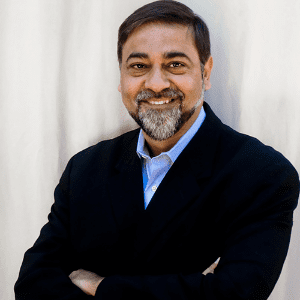
  • Vivek Wadhwa
    Vivek Wadhwa
    AGAINST THE MOTION
    Vivek Wadhwa
    Entrepreneur Turned Academic


    Vivek Wadhwa is Director of Research at the Center for Entrepreneurship and Research Commercialization at Duke University and a Senior Research Associate for the Labor and Worklife Program at Harvard Law School. A respected pioneer for his groundbreaking research on the globalization of R&D and innovation, Wadhwa advises several start-ups, founded two software companies, and is a columnist for The Washington Post and Bloomberg BusinessWeek.

  • Henry Bienen
    Henry Bienen
    AGAINST THE MOTION
    Henry Bienen
    President Emeritus, Northwestern University


    A member of Mayor Rahm Emanuel’s Economic Development and Planning Committee, Henry Bienen launched his career in academics at Princeton University in 1966 as an assistant professor. In 1994, he was elected President of Northwestern University and currently serves as President Emeritus. Mr. Bienen is one of the first three university presidents awarded the Carnegie Corporation Academic Leadership Award for innovative leadership in higher education, Chairman of the Board of Rasmussen College and on the board of the Chicago Public Schools.

Moderator

John Donvan is a correspondent for ABC News Nightline. He has served as ABC White House Correspondent, along with postings in Moscow, London, Jerusalem and Amman.

Poll Results

Pre-Debate Poll Results
39% For | 40% Against | 21% Undecided

Post Debate Poll Results
47% For | 46% Against | 7% Undecided

Debate Media

Video

Audio

Listen to the edited radio
broadcast of this debate
Listen to the full unedited
audio from this debate

Point/Counterpoint

For

  • For many, onerous student loans will at best neutralize the increased income derived from having a college education, and at worst put them in an untenable financial situation.
  • America’s high-tech, entrepreneurial economy rewards great ideas and innovation, regardless of one’s formal education.
  • A bachelor’s degree no longer guarantees a job— the unemployment rate for those with a BA is at an all-time high.

Against

  • To stay competitive, Americans need more education, not less. A decrease in college degrees will result in an economy that lags behind other countries in every important category.
  • Getting a college degree has, and always will be, the best way for lower-income families to improve their economic status.
  • College educations provide much more than higher incomes; they produce well-rounded citizens who know how to communicate, solve problems and better understand the world.